For a company in the industry, using the video format to transmit know-how or even operating procedures is an excellent way to ensure the continuity and sustainability of the activity.


The know-how of employees is a company asset. They are dynamic and evolve over time and with the employees who make up the company at every moment. However, they only rarely circulate effectively in SMEs and ETIs in the industry.
Is the fault of a culture of oral transmission that is still too deeply rooted?
In the manufacturing industry in particular, the sustainability of the activity depends on the good implementation and transmission of know-how by employees.
By “know-how in industry” we can think of manual operations in production, a routine of personal organization in maintenance or machine adjustment in the workshop, among others. While it is possible to measure the company's risk exposure according to the level of criticality of each know-how in terms of the activity (based on various criteria - financial impact, occurrence of implementation, etc.), these are still too often known and controlled only by employees who use them regularly.
For a company in the industry, use the video format in order to pass on know-how, processes, operating procedures or even tutorials is an excellent way not to suffer but to control the risk of sustainability set out above.
But what are the benefits of implementing such an approach to formalizing and transmitting know-how through video? Is this approach accessible to SMEs or is it reserved for the most mature groups promoting Industry 4.0? What benefits can we expect from such a paradigm shift between the heritage of oral transmission and the use of tutorials and video formats?
Discover here 5 direct benefits of using video to transmit your internal know-how.
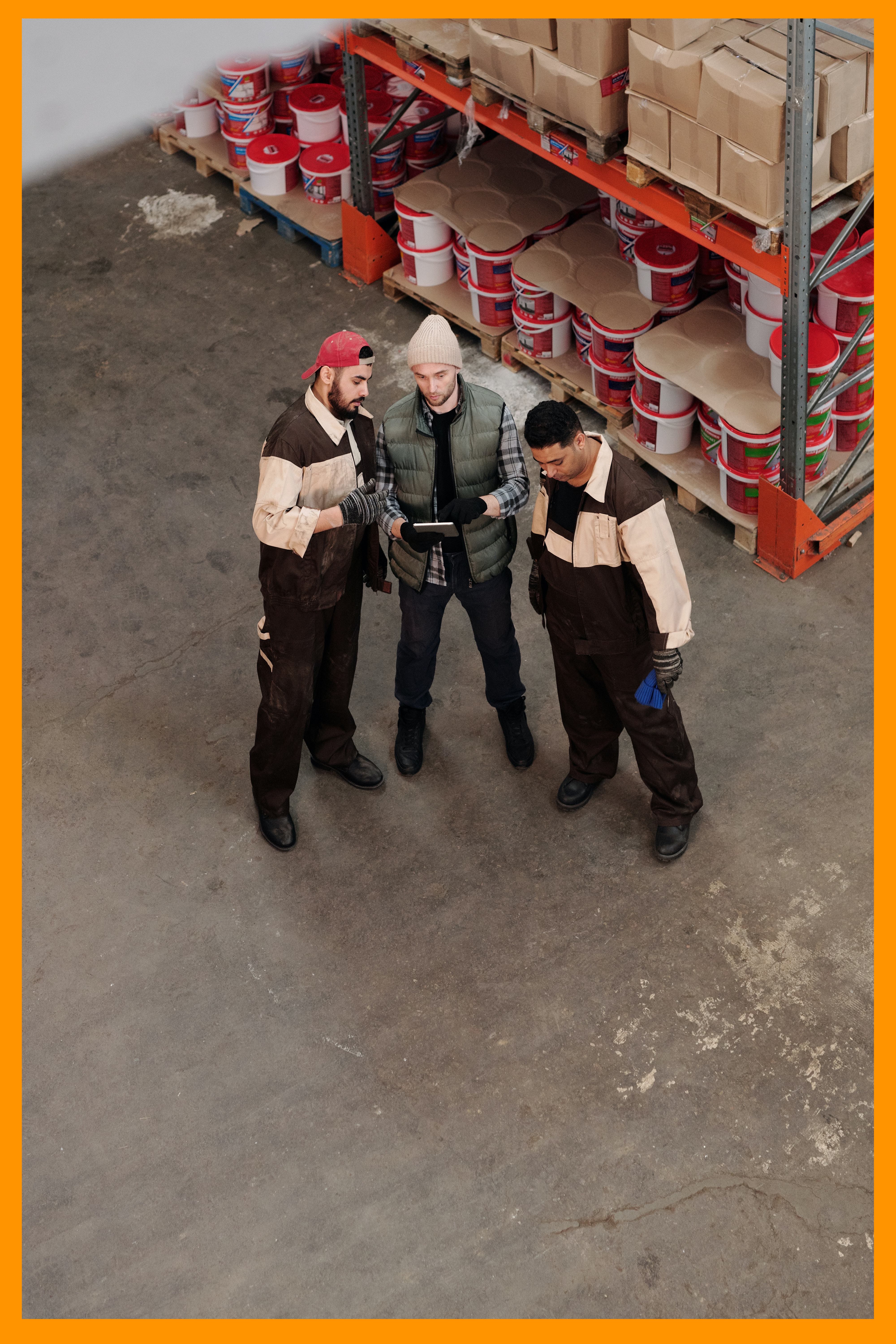
Formalizing know-how through a video tutorial makes it possible to create a framework to be respected by EVERYONE. This framework can then be amended and successive iterations will then make it possible, over time, to upgrade the standard created for the implementation of this know-how.
It is often said that “there is no progress without measure.” Creating a video tutorial that acts as a “standard practice” allows the company to have a point of reference from which it can assess its performance. It is therefore important that the standard actually corresponds to the best possible practice and can be used as a standard or “base 100". A standard is most often the result of several successive iterations.
The video makes it possible to capture the completeness of a sequence of tasks, operations or actions to be carried out in order to achieve an expected result.
To “capture the gesture”, the video tutorial format is easier to assimilate than a written format (.pdf for example) for several reasons:
Formalizing best practices to achieve good Quality results, or creating a defect library for example, are already common reflexes in the industry. Often, these subjects formalized in writing suffer from tedious updating, which requires them to be reprinted and then distributed internally.
Otherwise, when good practices are not formalized or are only formalized in writing, it is difficult to bring everyone up to date and they are rarely strictly respected by teams in the field.
How do most of the training courses take place?
They take place in person or can take place remotely, but they most often require the synchronous availability of the “expert” and the “learner”. Others can also make the learner more autonomous, thanks to written materials. However, for many companies in the industry, none of these modalities seems satisfactory.
While the first option involves obvious costs for each training course on the same subject (translated into time/man or productivity), the second can have “the effectiveness of a bottle in the sea”.
Tutorials or training using video make it possible to create a standard, but also to effectively train teams asynchronously. This concept means that experts need to make themselves available less often and for interactions with higher added value.
For example, to properly carry out a process on an ERP, it is possible to record a video tutorial. Likewise, to perform a task properly on a machine tool, and safely, it is possible to consult an operating procedure in video format. The investment required on the part of the expert to formalize the video, even if it requires several iterations, will always be less than the consolidated time of all the interruptions that could take place in an oral format. In this case, the expert saves precious time and can nevertheless support the learners on moments of high added value (questions/answers, specific points of attention, etc.).
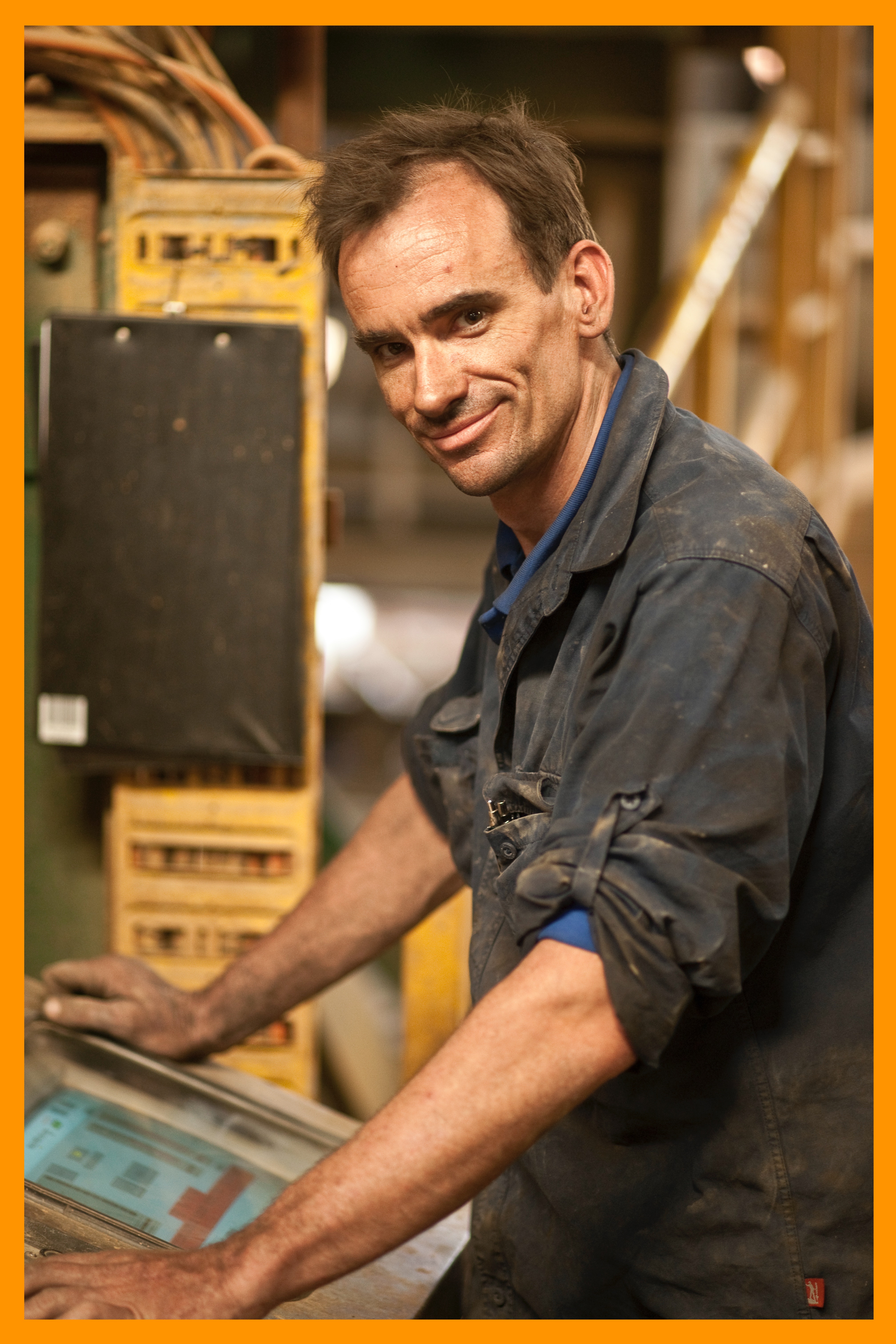
Industry, like other sectors, suffer from all situations that create workforce rotations. For example, they may be resignations or, even more importantly, retirements. In the manufacturing industry where the culture of oral transmission is still strong, departures can put at risk the sustainability of a department or even of the company's activity.
An approach to anticipate departures and formalize know-how, expertise or operational reflexes through video tutorials makes it possible to formalize the feedback of employees.
This “REX” then has a double purpose: to simplify the assumption of a position or the absorption of the burden by the successor or the existing team, but above all to capitalize on the experience acquired and “not to reinvent the wheel”.
The greater “volatility of Talents” that has been observed over the past several years makes the need for formalization and transmission even more significant. This is almost surprising, but it has become as important for companies to offer a remarkable employee experience to their teams as to limit their dependence on individuals who master critical know-how for the business.
While competition is tough on the job market, the manufacturing industry especially suffers from a lack of attractiveness for young talent (Gen Z, etc.). No need to entrust them with binders or PowerPoint presentations hoping that they will dive into it and come back to you with a list of points to clarify... Youtube has risen to the 2nd place of search engines, the answers to questions are now sought on video.
Whether it is a welcome booklet, a safety welcome or initial training on a job, the use of video has become essential to share the key information that must be brought to their attention.
While video is a way to effectively formalize know-how in the industry, it also appears to be the most suitable way of learning.
To conclude, the use of video in general, and video tutorials in particular, has numerous benefits for the company: an orientation towards results and continuous improvement, a reduction in training costs, an efficient circulation of expertise or a practice in line with the expectations of employees.
On the other hand, starting a formalization project is anticipated and prepared internally. More often than not, there is no difficulty other than managing change. Indeed, moving from an oral culture to a formalized culture requires the involvement of teams that can be involved as well as those who will be asked to change their reflexes. Most often, we note that a formalization process aimed at better capitalizing and disseminating know-how internally must be approached in several steps:

At Komin, we are convinced that all the answers to the questions that employees ask themselves exist internally: we simply need to facilitate their formalization and sharing. If you want to discuss it, without involving you in any way, do not hesitate to contact me by phone !
“With Komin, we documented our operating procedures 10x faster than with paper”
- J. Cerruti (Methods & Industrialization Manager)


